
Photo by Mikhail Nilov on Pexels
![]()

When I joined the internal communications team, the function was producing a high volume of communications but lacked operational structure to support scalable execution. Requests came through multiple channels, project prioritization was inconsistent, and there were limited tools or frameworks in place to guide collaboration with stakeholders.
As a result, the team spent significant time reacting to requests rather than operating strategically. There was also little visibility into the performance of communications across channels, which limited our ability to optimize content and improve employee engagement.
Several operational gaps limited the team’s ability to scale its work effectively:
• No standardized intake process for communications requests
• Limited clarity around project roles, timelines, and stakeholder expectations
• No prioritization framework to determine levels of communications support
• Limited analytics or performance measurement for key channels
• Inconsistent processes and templates for planning communications campaigns
• Fragmented intranet structure that made it difficult for employees to find information
These challenges created inefficiencies for the team and made it difficult to operate strategically.
I focused on building a set of operational systems and frameworks to help the team move from reactive execution to a more structured and scalable communications model.
My approach centered on four key areas:
Establishing clear intake and project workflows
Creating governance frameworks for prioritization and channel strategy
Implementing analytics to support data-informed decision making
Improving the digital employee experience through intranet redesign and content strategy improvements
I designed and implemented a structured intake process that standardized how stakeholders requested communications support. This included office hours, project intake channels, and templated communications throughout various stages of a project to streamline requests.
I also developed project planning templates, an editorial calendar, and production trackers within Monday.com to support consistent campaign planning and execution.
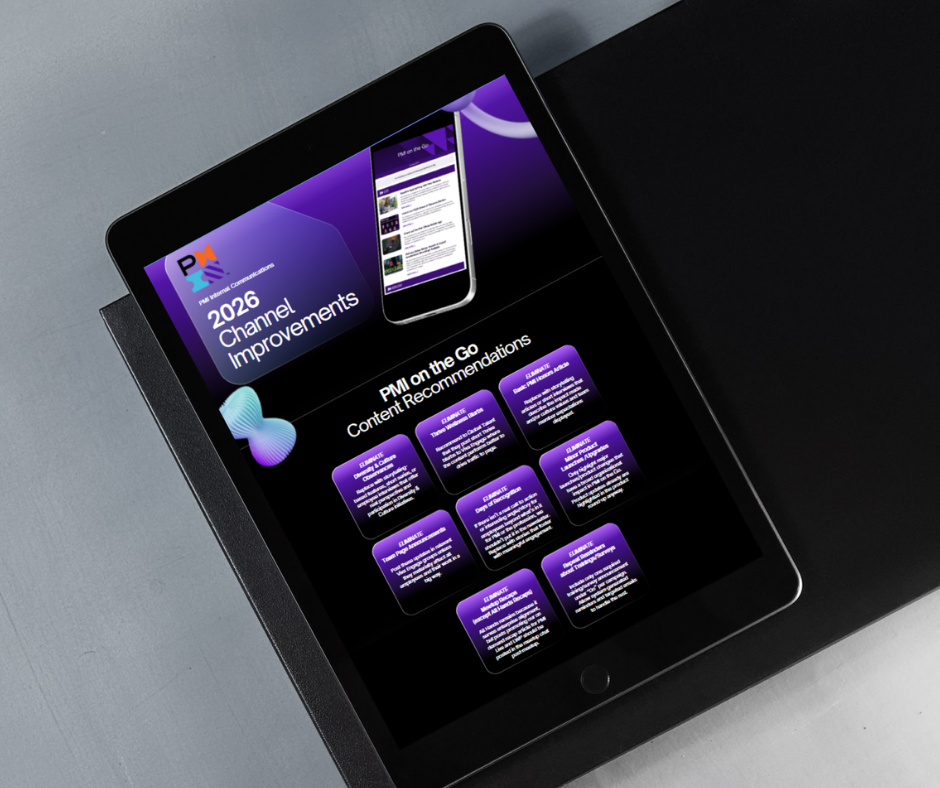
Using insights from performance data and channel audits, I developed content pillars and governance guidelines for each communications channel.
These recommendations helped clarify when and how different channels should be used, improving signal quality and audience engagement.
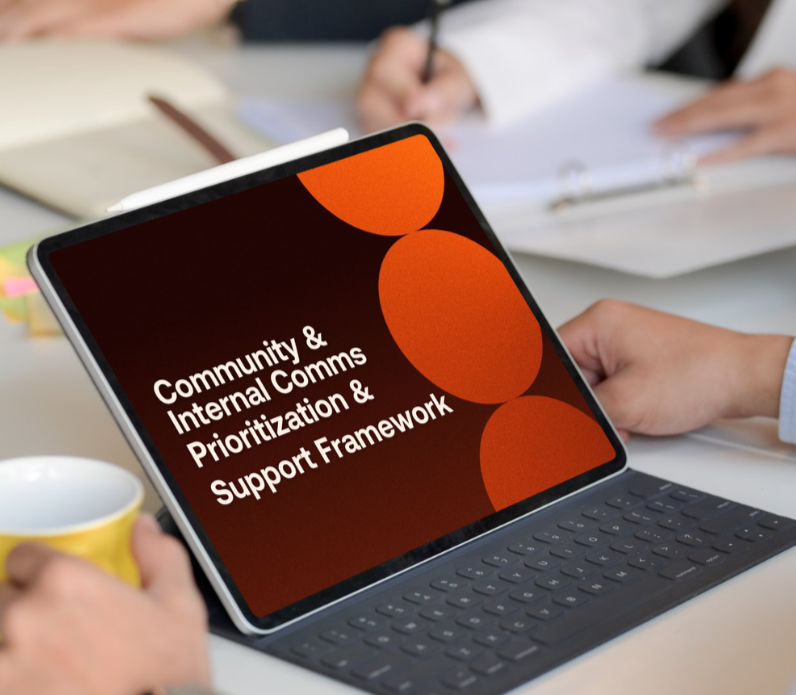
To improve transparency around project prioritization, I created a scoring framework that allowed the team to evaluate incoming requests based on business impact, urgency, and audience reach.
This framework helped determine the appropriate level of communications support for each initiative and ensured resources were allocated strategically.
I led the implementation of Contact Monkey, a newsletter analytics platform that enabled the team to track engagement metrics for the first time.
I then analyzed a full year of communications performance data across multiple channels and developed a comprehensive insights report that informed future content strategy and channel optimization.

I also led a redesign of the employee intranet to improve usability and content discoverability.
Improvements included reorganizing content categories around employee needs, introducing new engagement features, and creating a central source of truth for key resources and event recordings.
These operational improvements helped the internal communications team transition from reactive execution to a more structured and scalable model.
Key outcomes included:
• Streamlined intake process that improved visibility and coordination with stakeholders
• Clear prioritization framework for managing communications requests
• New analytics capability that enabled data-informed content strategy
• Improved intranet usability and employee access to information
• Reusable planning templates that reduced time spent reinventing processes for recurring campaigns
These systems created a foundation for sustainable communications operations that the team continues to build upon.